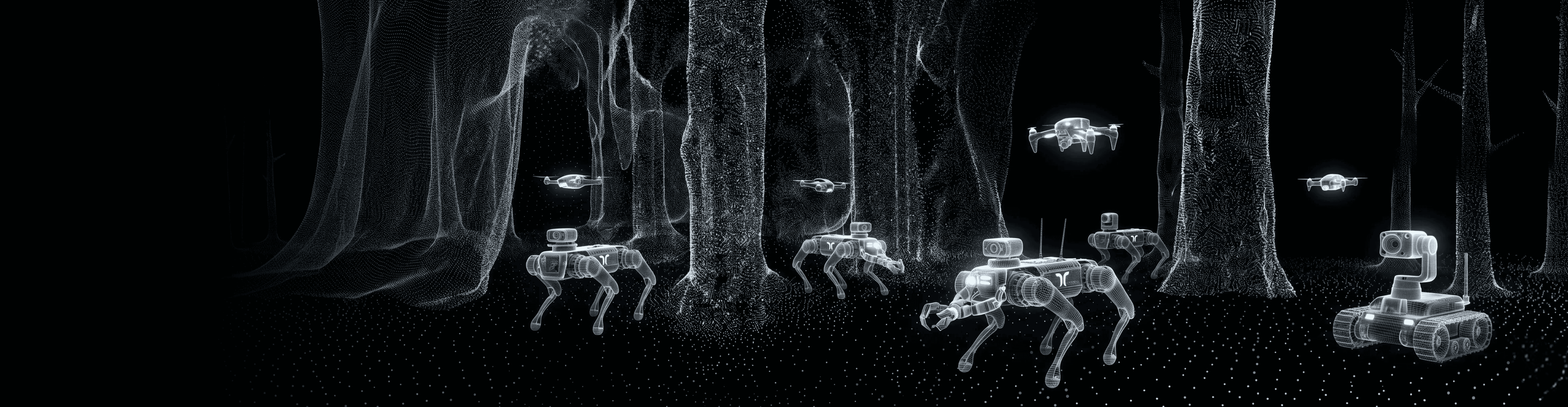
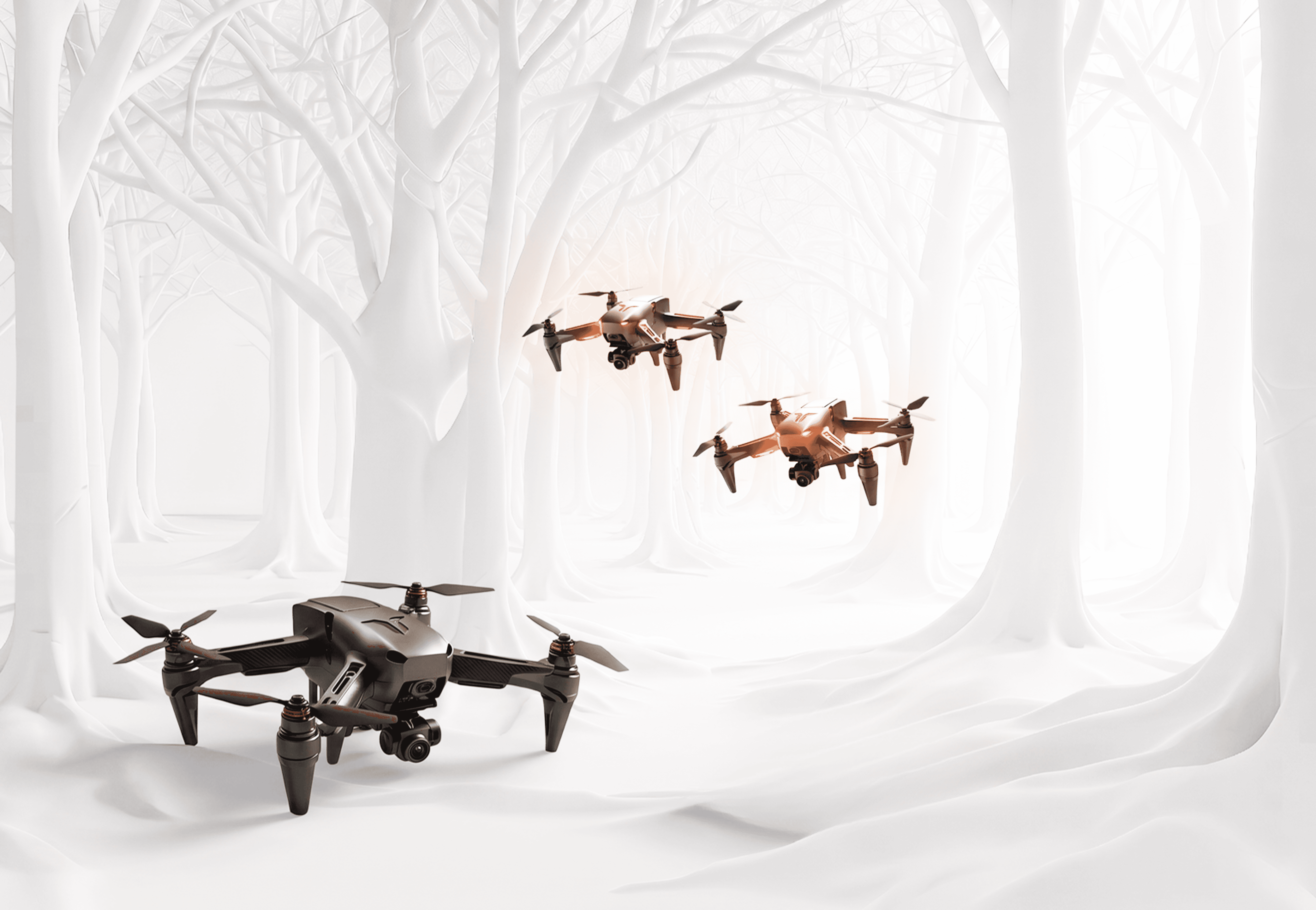
Swarms where all drones
are connected to each other.

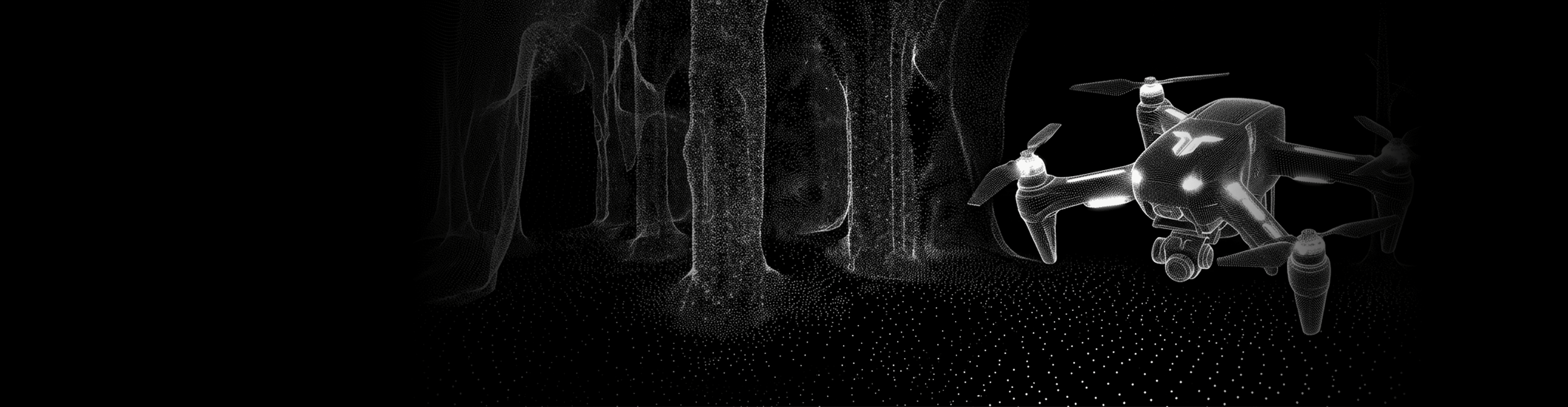
Tashi creates a secure mesh network where drones coordinate in real time. Even if units drop, the mission continues seamlessly.

VENDOR AGNOSTIC

Sub-30ms coordination

Swarm persists

100+ Organizations

VENDOR AGNOSTIC

Sub-30ms coordination

Swarm persists

100+ Organizations

Overview

Signal drops. Lead units fail. Yet the mission continues.

Every drone in a Tashi-enabled swarm carries a live shared world state, contributed by all and dependent on none. When a peer drops, the others immediately inherit its context. The formation adapts and tasks reassign at the edge. The mission never pauses.

Capabilities

The swarm self heals. The mission gets completed.

Peer-to-peer state synchronisation

Every drone contributes to and reads from a shared world state. No GCS to route through.

01

Peer-to-peer state synchronisation

Every drone contributes to and reads from a shared world state. No GCS to route through.

01

Peer-to-peer state synchronisation

Every drone contributes to and reads from a shared world state. No GCS to route through.

01

Leaderless by design

Byzantine fault-tolerant consensus keeps the swarm operating correctly.

02

Leaderless by design

Byzantine fault-tolerant consensus keeps the swarm operating correctly.

02

Edge-native operation

Coordination happens directly between drones at sub-30ms latency. The swarm is self-contained.

03

Edge-native operation

Coordination happens directly between drones at sub-30ms latency. The swarm is self-contained.

03

Mission continuity

If a drone fails, is jammed, or loses connectivity, the rest adjust within milliseconds. No human re-tasking. No pause in operation.

04

Mission continuity

If a drone fails, is jammed, or loses connectivity, the rest adjust within milliseconds. No human re-tasking. No pause in operation.

04

Incorruptible shared truth

Shared world state cannot be corrupted by a single bad actor. Collective agreement stays valid under adversarial conditions.

05

Incorruptible shared truth

Shared world state cannot be corrupted by a single bad actor. Collective agreement stays valid under adversarial conditions.

05

Use Environments

Industries where our swarm is critical.

Industries where our swarm is critical.

Tashi is built for environments where signal is unreliable, and coordination failure is unacceptable.
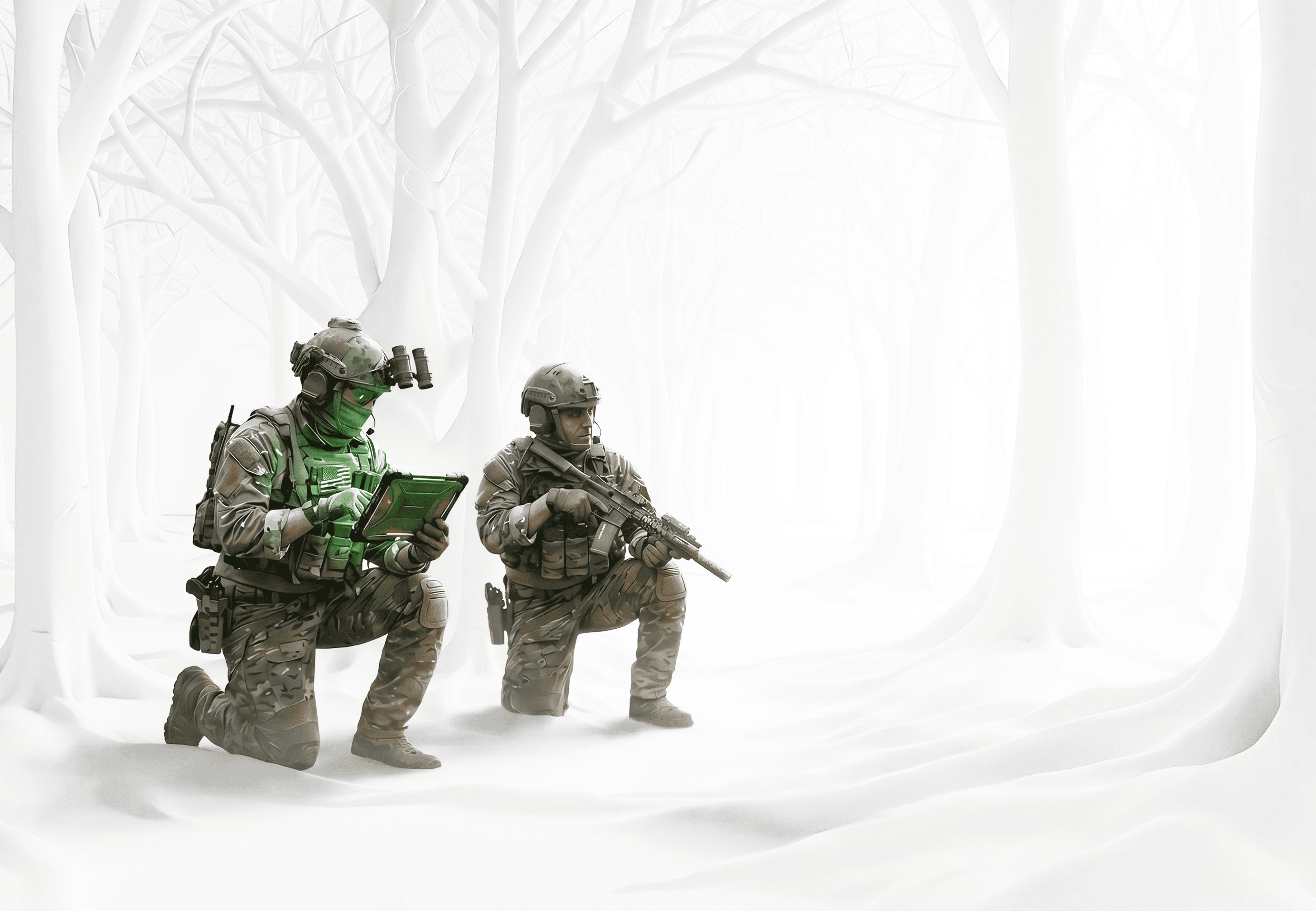
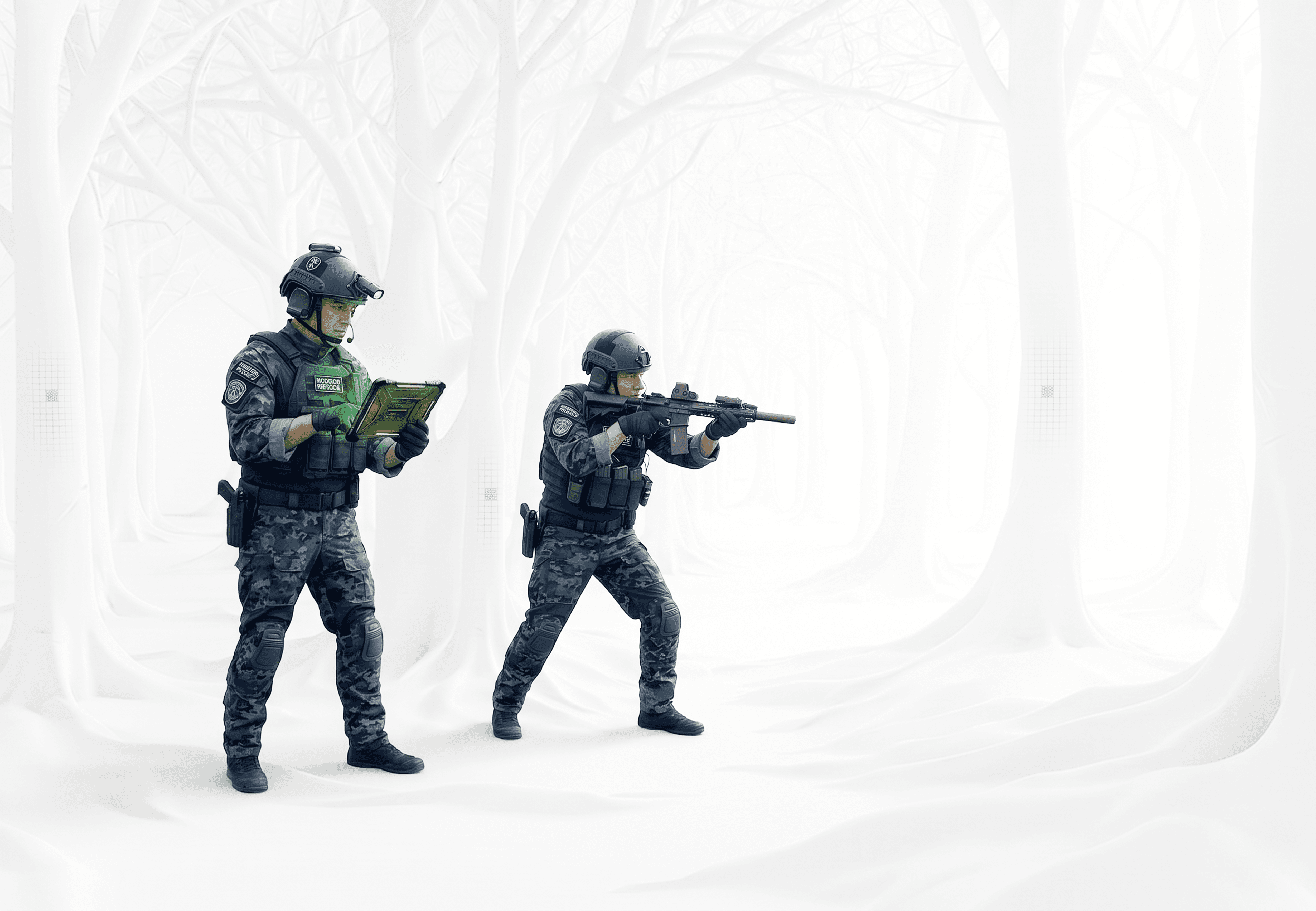
Adversarial environments. No single point of failure

Defence & Tactical Operations

No central node to jam. Swarms maintain formation under disruption.
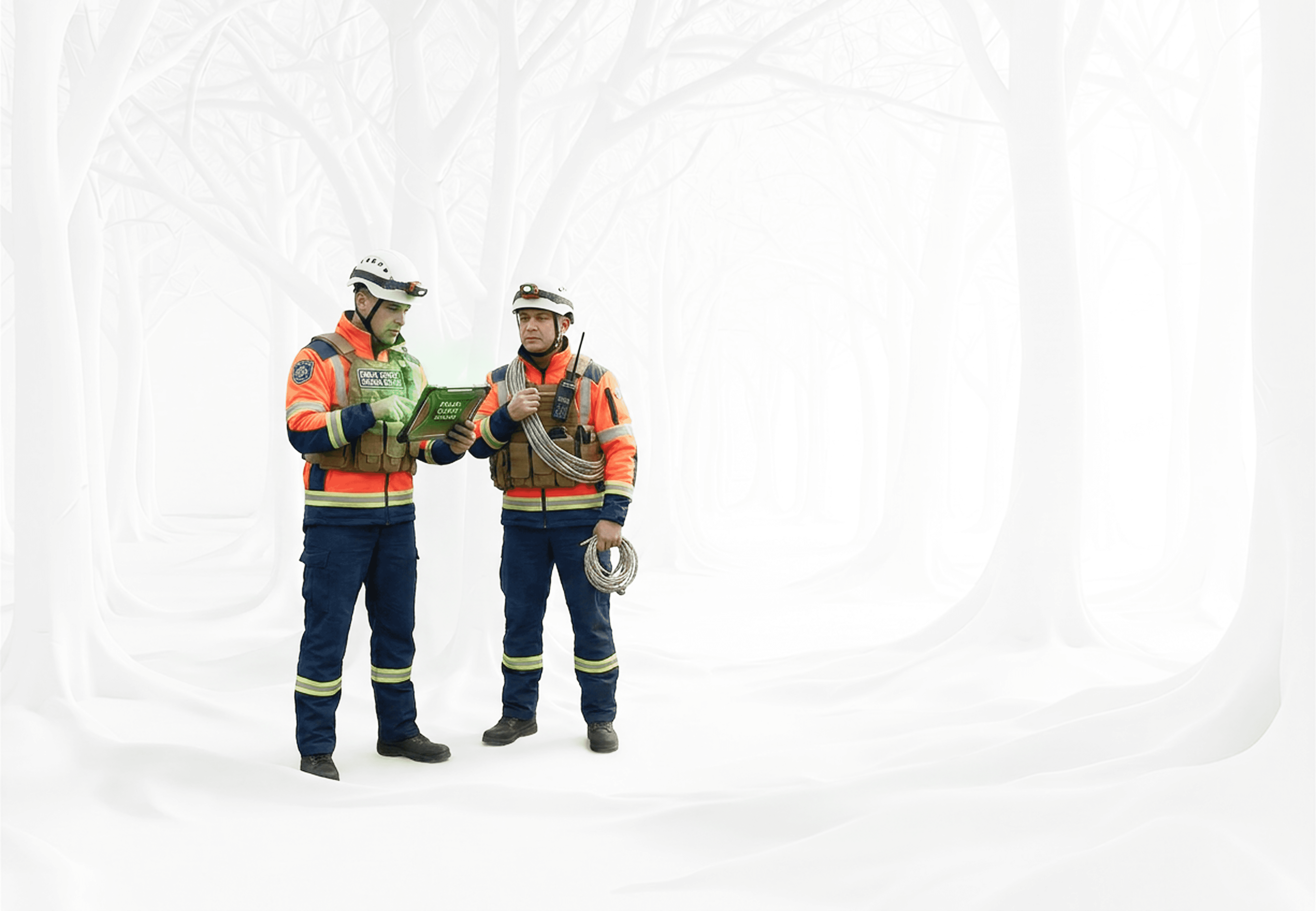
GPS-denied zones. Lost units. Peer-to-peer redistribution

Public Safety & Search Rescue

Peer-to-peer coordination redistributes coverage when drones drop.
Persistent coverage. Rotating units. Resilient perimeter awareness

Border & Maritime Security

Swarms rebalance coverage as units charge or fail. Perimeters stay intact.
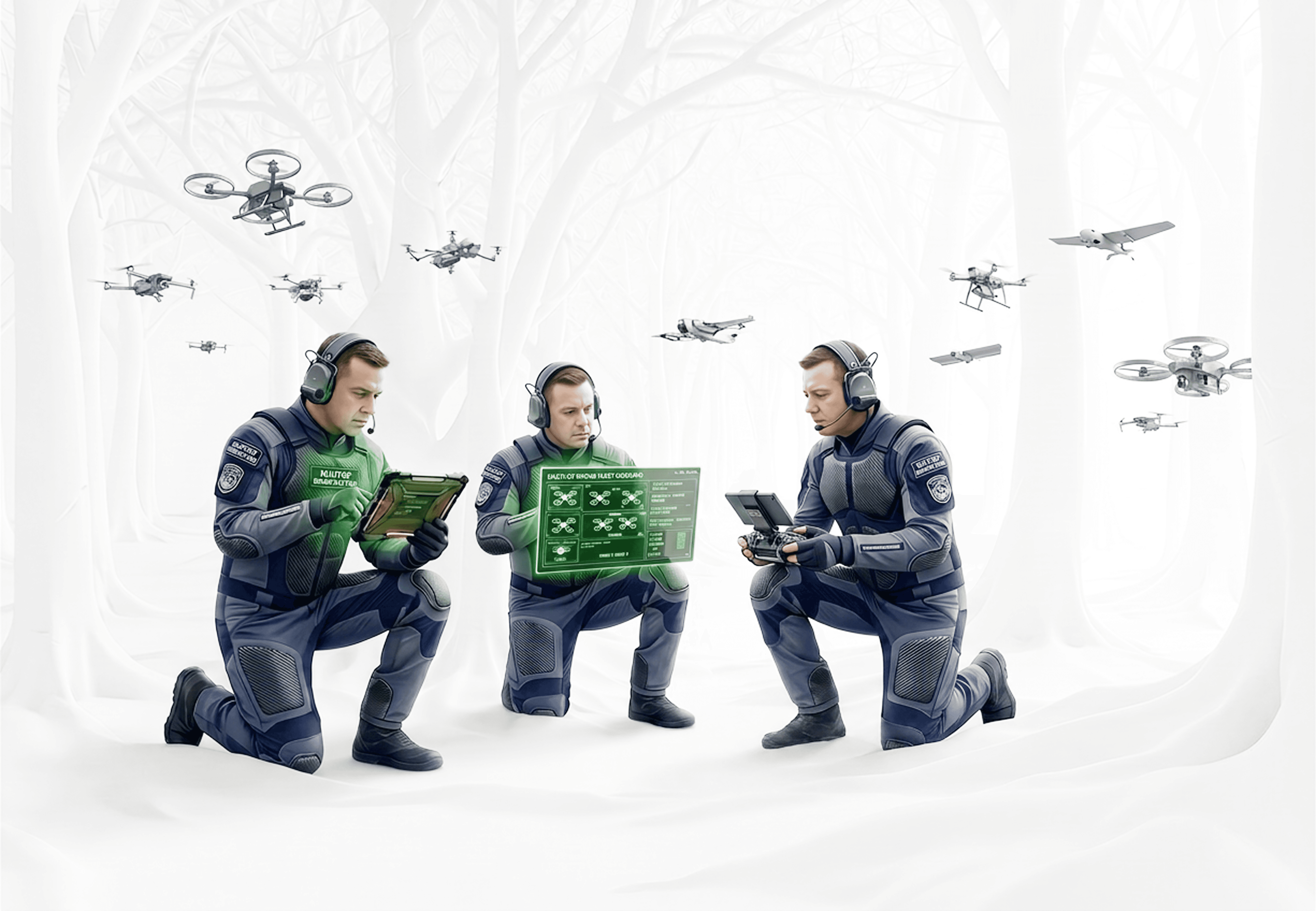
Cross-vendor fleets. Shared airspace. No central controller

Multi-Operator Drone Fleets

Swarms redistribute coverage as drones rotate to charge. No mission restart.
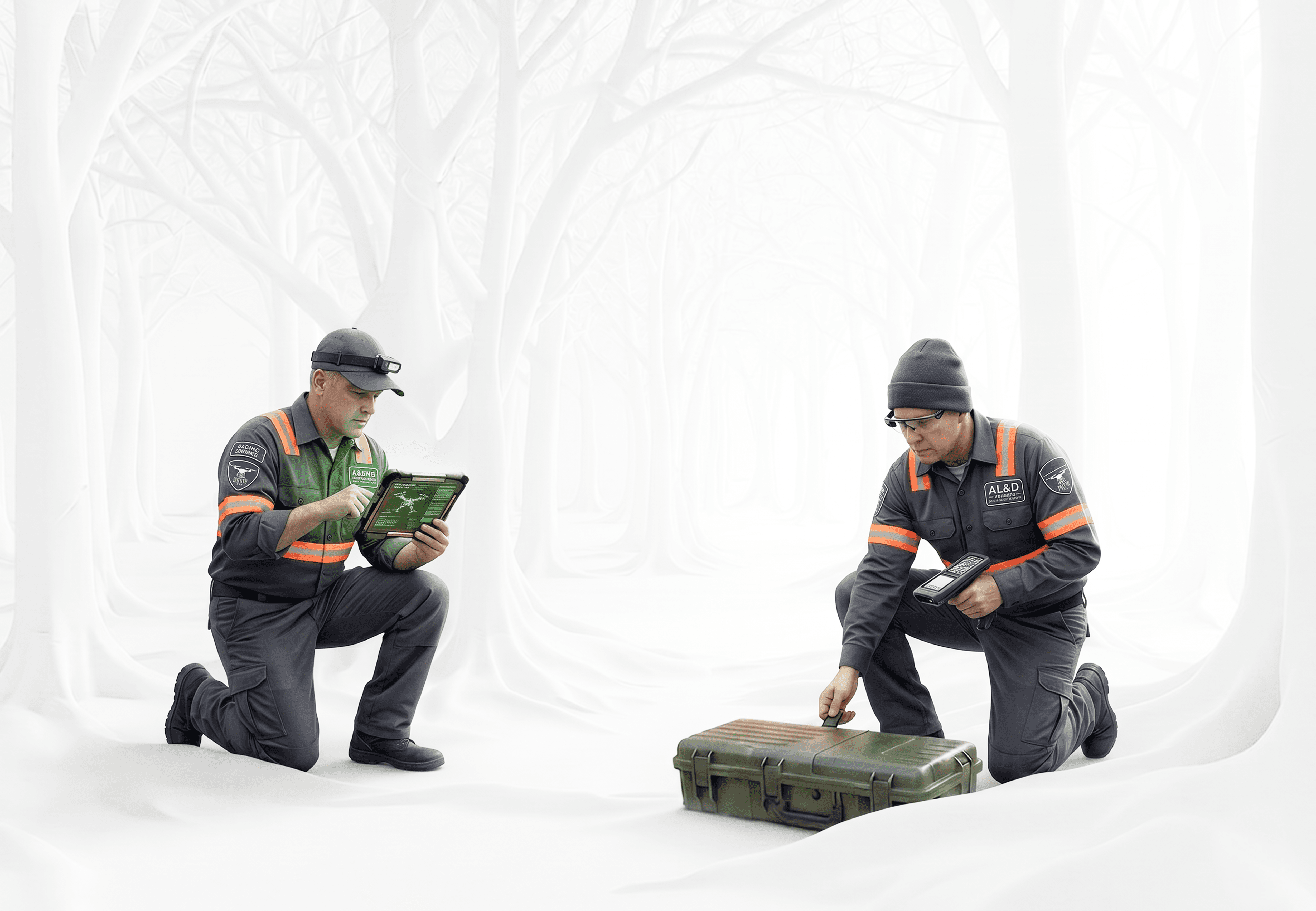
Fleet-wide coordination. No cloud dependency required

Autonomous Logistics & Delivery

Delivery fleets coordinate routes peer-to-peer, even with degraded connectivity.

Extended range. Large areas. Continuous operation

Critical Infrastructure Inspection

Swarms redistribute coverage as drones rotate to charge. No manual reassignment.
Common questions about Tashi for drone swarms.

Common questions about Tashi for drone swarms.

Does Tashi require a cloud connection to work?

No. Tashi is edge-native by design. Coordination happens directly between drones using peer-to-peer mesh networking. Connectivity to a cloud server or central controller is not required during active operation.

What happens when a drone loses connection mid-mission?

The remaining drones continue coordinating without interruption. Because every participant holds a shared world state contributed by all peers, no drone is dependent on any single participant. The mesh self-heals.

Does Tashi work across drone hardware from different manufacturers?

Yes. Tashi is vendor-agnostic. The coordination layer sits beneath hardware-specific software, allowing drones from different manufacturers, vendors and operators to share state and coordinate without custom middleware between them.

What is the coordination latency in operational conditions?

Vertex consensus, Tashi's coordination engine, achieves sub-30ms latency in benchmarked conditions with up to 32 peers. Real-world swarms may vary by environment, but latency scales at O(1) — adding more drones does not increase per-decision time.

How does Tashi handle adversarial conditions - jamming, spoofing, bad actors?

Tashi uses Byzantine fault-tolerant consensus, which is mathematically guaranteed to produce correct outcomes even when up to one-third of participants behave maliciously or fail. Shared world state cannot be corrupted by a single compromised drone.

What does integration look like for an existing drone program?

Tashi is designed for minimal integration friction. The coordination layer interfaces through lightweight Rust and C libraries. Most teams are operational within a pilot timeframe of weeks, not months.

Does Tashi require a cloud connection to work?

No. Tashi is edge-native by design. Coordination happens directly between drones using peer-to-peer mesh networking. Connectivity to a cloud server or central controller is not required during active operation.

What happens when a drone loses connection mid-mission?

The remaining drones continue coordinating without interruption. Because every participant holds a shared world state contributed by all peers, no drone is dependent on any single participant. The mesh self-heals.

Does Tashi work across drone hardware from different manufacturers?

Yes. Tashi is vendor-agnostic. The coordination layer sits beneath hardware-specific software, allowing drones from different manufacturers, vendors and operators to share state and coordinate without custom middleware between them.

What is the coordination latency in operational conditions?

Vertex consensus, Tashi's coordination engine, achieves sub-30ms latency in benchmarked conditions with up to 32 peers. Real-world swarms may vary by environment, but latency scales at O(1) — adding more drones does not increase per-decision time.

How does Tashi handle adversarial conditions - jamming, spoofing, bad actors?

Tashi uses Byzantine fault-tolerant consensus, which is mathematically guaranteed to produce correct outcomes even when up to one-third of participants behave maliciously or fail. Shared world state cannot be corrupted by a single compromised drone.

What does integration look like for an existing drone program?

Tashi is designed for minimal integration friction. The coordination layer interfaces through lightweight Rust and C libraries. Most teams are operational within a pilot timeframe of weeks, not months.

Ready to deploy a shared nervous system?

Ready to run a drone programme where the swarm holds, no matter what? Tell us about your programme. Our solutions team responds within one business day.

Ready to deploy a shared nervous system?

Ready to run a drone programme where the swarm holds, no matter what? Tell us about your programme. Our solutions team responds within one business day.

Ready to deploy a shared nervous system?

Ready to run a drone programme where the swarm holds, no matter what? Tell us about your programme. Our solutions team responds within one business day.

Swarms where all drones
are connected to each other.

Tashi creates a secure mesh network where drones coordinate in real time. Even if units drop, the mission continues seamlessly.

Swarms where all drones
are connected to each other.

Tashi creates a secure mesh network where drones coordinate in real time. Even if units drop, the mission continues seamlessly.